In the grand scheme of the universe, we are but tiny specks of dust floating in the vast expanse of space. Yet, within each of

Electric automotive manufacturer Tesla has cut prices of its vehicles globally after a historic week of lows. The car company, owned by Elon Musk, has
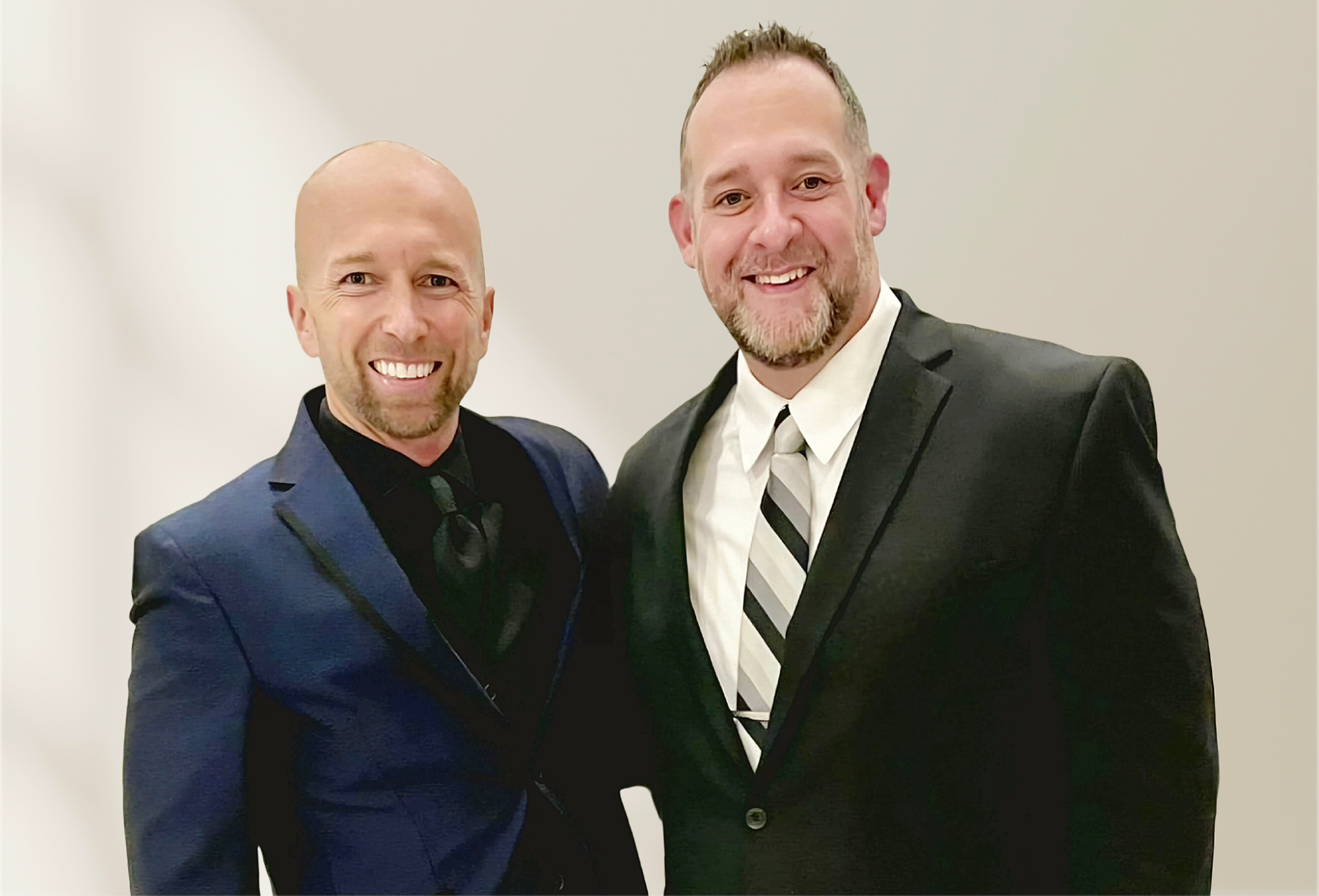
The financial services industry is in the midst of a talent recruiting crisis. Despite signs that the labor market is finally slackening after years of

The housing market, a significant indicator of economic health, has been undergoing a dramatic shift, particularly concerning millennials and Generation Z. Over the past three






In personal growth and self-improvement, two concepts often take center stage: fear and courage. These two elements are intricately woven together, influencing our actions, decisions,
The financial services industry is in the midst of a talent recruiting crisis. Despite signs that the labor market is finally slackening after years of

Letting the day take control of us in the hustle and bustle of our daily lives is easy. We often find ourselves on the back

America’s small businesses face unprecedented challenges. Small business bankruptcy filings increased 78% over the past year, driven by impending changes to bankruptcy law and ongoing

Regulatory compliance — and issues associated with it — comes in many forms. The concept refers to a business’s duty to comply with the various

The Buddha, a revered spiritual figure, once proclaimed that enlightenment is the end of suffering. This profound statement has been a source of intrigue and


Have you, or someone you care about, been trapped by a financial predator? Don’t beat yourself up too much — you’re far from alone. Financial

As for me, this blog post focuses on something I’m passionate about. What is it? Basically, it’s how to achieve more progress in 90 days

Economic cycles govern our personal and financial lives. Life’s uncertainties—job loss, emergencies, foreclosures, bankruptcies—can severely damage credit. While financial crises can be daunting, they are

When it comes to retirement planning, much of the focus usually rests on the actions you have to take to prepare a nest egg for